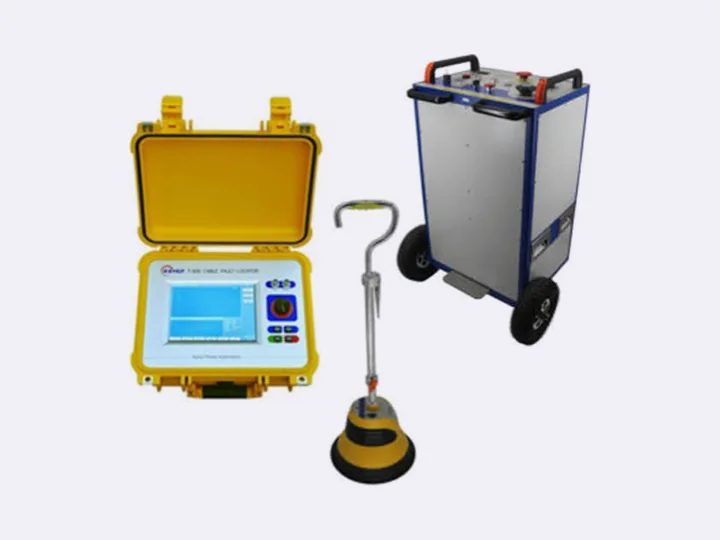
Cable fault location
Pre-locate and pinpoint underground faults.
- Low- and medium-voltage cables
- Pulse echo pre-location
- Surge pinpointing
RangesMegger and Kehui systems, quoted project by project
Get a recommendationPulse echo gives the distance along the cable.
Follow where the cable really runs, and how deep.
Listen for the surge at the surface.
One hole, in the right place.
Tell us the job and we will recommend the model. No price lists here: the right instrument depends on the site.
Pre-locate and pinpoint underground faults.
RangesMegger and Kehui systems, quoted project by project
Get a recommendation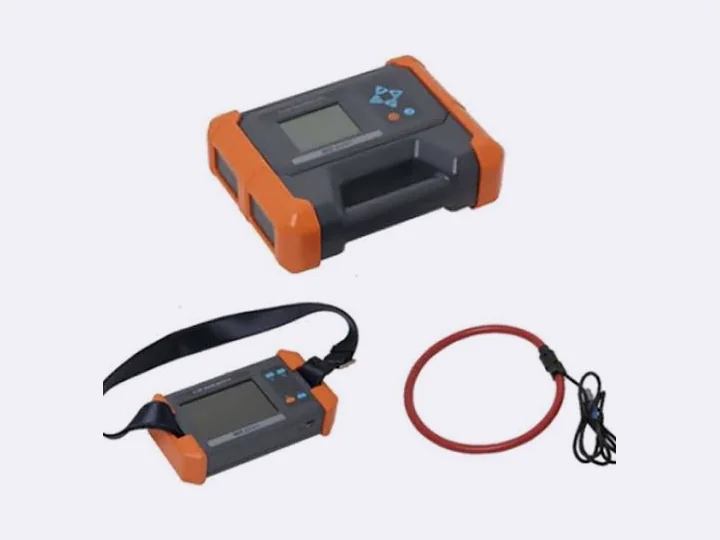
Know exactly where a cable runs.
RangesMegger and Kehui route tracers
Get a recommendation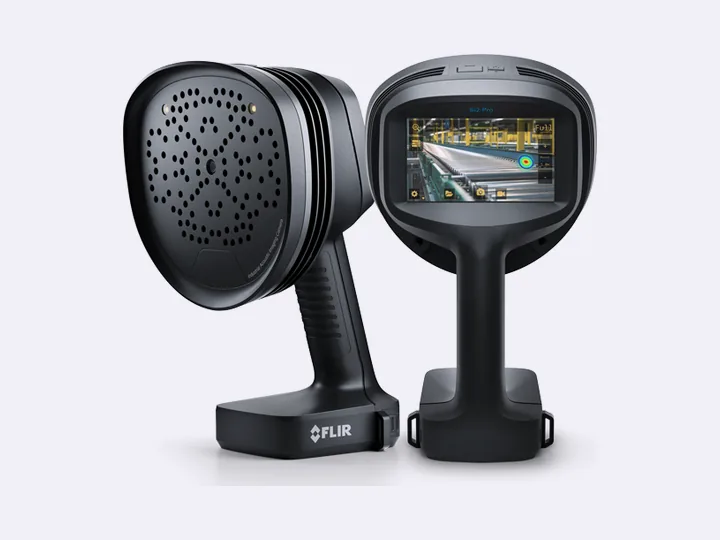
Hear insulation breaking down early.
RangesFLIR Si2-PD acoustic camera · Megger · Kehui
Get a recommendation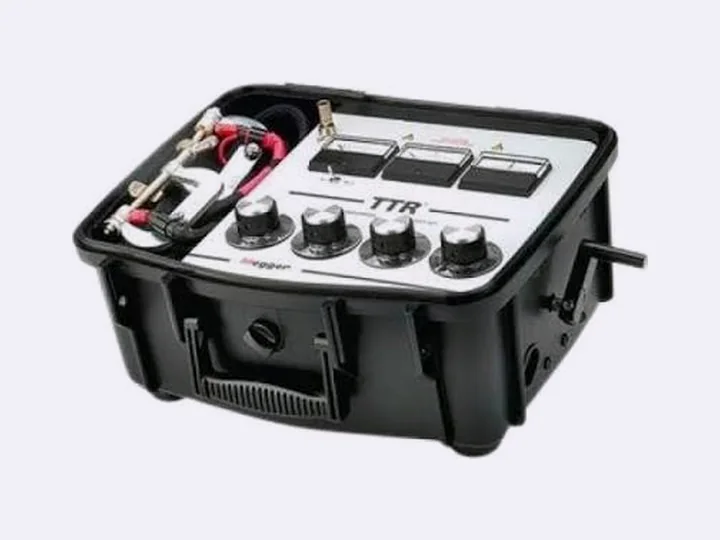
Check the heart of the network.
RangesMegger TTR and MTO testers, breaker analysers
Get a recommendation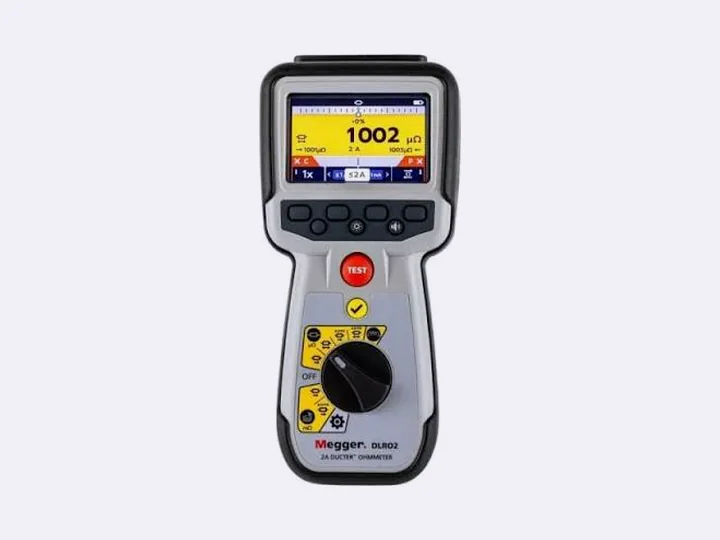
Find poor joints and contacts.
RangesMegger DLRO range
Get a recommendationSome instruments need an export licence. We check before you order and tell you the timing.
Distance along the cable is half the velocity times the echo time. Set V/2 for your cable type.
—
Distance = V/2 × t. Joints, slack loops and bends shift the spot, so the last metres are found by ear at the surface. Calibrate V/2 on a cable of known length.
For the voltage, cable type and network you work on.
Pre-location, tracing and pinpointing, step by step.
Calibration, repair and warranty through one contact.
Every network is different. If your question is not here, just ask.
It gives a distance along the cable, not a spot on the ground. Joints, slack loops and bends shift the spot, which is why the last metres are found by pinpointing.
Fault location finds a cable that has failed. Partial discharge testing finds insulation that is starting to fail, so it fits planned maintenance.
It depends on the voltage, the cable types and how often you have faults. Tell us about the network and we will recommend one.